Blocked Ducts and Mastitis
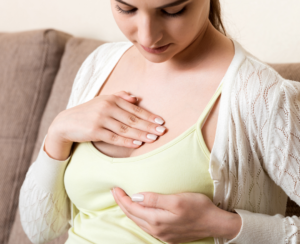
This video explains what blocked ducts and mastitis are, along with steps you can take to prevent a blocked duct from progressing into mastitis. It also covers the symptoms of mastitis and when to seek additional support.
Watch Blocked Ducts and Mastitis
CHINS
In this video, we explore CHINS—an acronym designed to help you remember how to achieve proper feeding positioning with your baby:
C – Close
H – Head free
I – In line
N – Nose to nipple
S – Sustain the correct position
Watch CHINS
Cracked Nipples
Sore or damaged nipples often indicate a problem with positioning or attachment. Breastfeeding should not cause pain.
Watch Cracked Nipples
Engorgement
Engorgement occurs when milk is not effectively released from the breast. This can result from delays in breastfeeding, poor positioning, or improper attachment. To alleviate engorgement, ensure you are feeding responsively and getting milk out. Hand expressing is recommended, and this video demonstrates how to do it while also covering safe storage of breast milk.
Watch Engorgement
Knowing Breastfeeding is Going Well
This video highlights signs to look for to determine if breastfeeding is progressing well. Are you experiencing soreness? Does your nipple change shape after feeding? Are you feeding every 8–12 times within a 24-hour period, with feeds lasting 5–40 minutes? Are there sufficient wet and dirty nappies?
Watch Knowing Breastfeeding is Going Well
Low Milk Supply
Responsive feeding is key to boosting your milk supply; the more frequently you feed, the more milk you produce, aiming for 8–12 times in 24 hours. Skin-to-skin contact also aids in milk production and stimulates the hormone prolactin.
Watch Low Milk Supply
Positive Attachment – Positioning
This video provides an example of good positioning, showcasing cross cradling position while following the CHIN rule.
Watch Positive Attachment – Positioning
Positive Attachment
In this video, we discuss effective attachment techniques and signs to observe from your baby that indicate correct attachment to the breast.
Watch Positive Attachment